
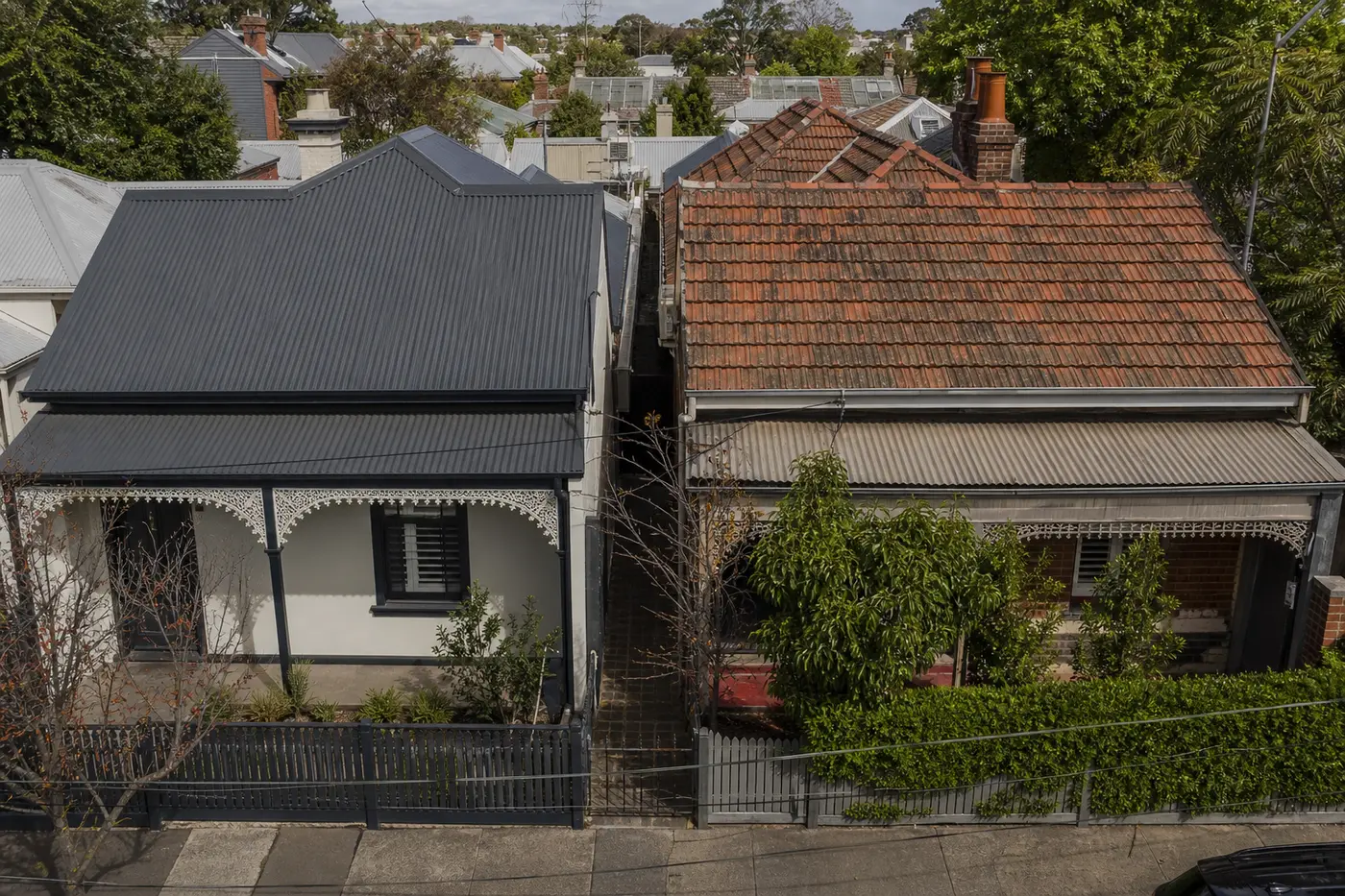
You're standing in the driveway looking up at a tile roof that has seen better days, and the question lands. Patch it, restore it, or pull it off and go Colorbond. It's one of the most common things people ask us, from the old bungalow streets of Preston and Coburg to the newer estates up around Craigieburn. Colorbond vs tile roof isn't a contest with a single winner. The right answer depends on your house, your budget, and how long you plan to stay.
We fit both. We restore tile roofs and we install new metal roofs, so we don't have a horse in this race. What follows is the way we'd explain it to a neighbour over the fence, with the honest trade-offs left in.
First, the two things you're actually comparing
A tile roof is made of individual tiles, either terracotta (the classic orange-red clay tiles on Californian bungalows) or concrete (the greyer, heavier tiles that went on a lot of homes from the 1960s onward). The tiles sit on battens, and the ridge lines are held with mortar bedding and a pointing compound over the top.
Colorbond is pre-painted steel, rolled into long sheets that run from the ridge down to the gutter. It's one material doing the whole job, screwed down continuously rather than laid piece by piece. That single difference, sheets versus separate tiles, is behind most of the pros and cons below.
Colorbond usually costs less to install than a new tile roof
If you're putting on a brand-new roof, metal is typically the cheaper of the two to install. The sheets go on fast, there's less labour than laying and pointing hundreds of tiles, and a lighter roof is simpler to handle up top. Tiles, especially terracotta, sit at the pricier end.
I'd be wary of any per-square-metre figure you read online, though. Your real number depends on the pitch of your roof, how easy it is to get access, whether the old roof needs stripping and carting away, and what state your timbers are in once we lift the old material. We give free quotes for exactly that reason. The only price worth comparing is the one measured off your actual roof.
Weight is a bigger deal than most people realise
A tile roof is heavy. All those tiles plus the mortar add up to a real load sitting on your frame, and the frame was built to carry it. Colorbond weighs a small fraction of that. On an older home with tired or slightly sagging timbers, dropping to a lightweight steel roof can take a lot of stress off the structure.
It cuts the other way too. If your frame was designed for tile, swapping to metal is usually fine, but going from metal back to tile on a frame that wasn't built for the weight is not something to do on a whim. This is one of those things worth a proper look before you commit either way.
How each one handles a northern-plains storm
Up in the growth-corridor suburbs like Craigieburn and Mill Park, wind and hail off the northern plains are the real test. Colorbond has an edge here. Because the sheets are fixed down continuously along their length, there's no single tile for a gust to lift and fling off. Steel is also non-combustible, which matters if you're on a treed block in a higher bushfire-risk pocket like Eltham.
Tiles aren't fragile, but a stray branch or a bad hailstorm can crack or dislodge one, and once water gets under a broken tile it finds the ceiling. The upside is repairability. A cracked tile is a cheap, quick swap. Dent a Colorbond sheet badly and you're often replacing a whole run, not a patch.
Noise and heat: the everyday stuff you live with
This is where tiles quietly win for a lot of people. A tile roof is naturally quieter in heavy rain and hail. A Colorbond roof over an uninsulated space can be loud when it buckets down, though modern insulation and sarking under the sheets take most of that away.
On heat, tiles hold warmth and release it slowly, so a tiled home can stay warmer into the evening after a hot day. Steel heats and cools faster, so a Colorbond roof sheds the day's heat quicker overnight, especially in a lighter colour. Neither is a dealbreaker on its own, but if you're sensitive to a noisy roof or a stuffy bedroom, it's worth weighing.
Looks, character and what the council will allow
Plenty of homes in the north simply suit their original roof. A terracotta roof is part of the character of a 1930s bungalow in Preston, and a clean charcoal Colorbond roof looks right at home on a modern estate build. That's partly taste, and taste is allowed to matter here.
The one hard limit is heritage. Around Brunswick, Northcote and Thornbury, a lot of streets sit under heritage overlays, and the council may not let you swap a traditional tile or slate roof for metal at all. If you're in an overlay area, check before you fall in love with a Colorbond sample. Getting that wrong is an expensive mistake.
You might not have to replace anything
Here's the part the "versus" articles usually skip. If your tiles themselves are still sound, and on a lot of the terracotta roofs we see they are, you may not need a new roof of either kind. The tiles on an old bungalow can outlast the people who laid them. What actually wears out is the mortar and pointing along the ridges, plus the surface coating fading and letting moss take hold.
In that case you can restore the tile roof you already have for a good deal less than a full re-roof. That's a clean and de-moss, fresh pointing on the ridges, any cracked tiles swapped, and a new protective coating. One of our customers put it well after we'd done their metal roof: "We recently had Ian restore and paint our metal roof and gutters. He did an amazing job. Nothing was too much trouble. We were so impressed that we recommended him to do our daughters' tile roof as well. They were also very happy with their experience." (Charlie & Gillian). Restoration works on both.
So the real decision is often three-way, not two. Restore what you've got, replace with tile, or replace with Colorbond. Restoration only comes off the table once the tiles are genuinely past it, or the roof is leaking in too many places to chase economically.
So which should you choose?
Lean towards switching to a Colorbond roof if your existing roof is truly at the end of its life, you want a lighter load on an older frame, you're in a hail or wind-exposed estate, or you simply prefer the clean modern look. It also tends to be the more budget-friendly full replacement.
Lean towards keeping tiles, either by restoring them or laying new ones, if your home is in a heritage overlay, the tiles are still in good nick, you want a quieter roof, or the terracotta character is part of why you love the place. If you go new Colorbond, it's worth knowing how long a Colorbond roof actually lasts in Melbourne before you sign anything.
Whatever you land on for a new roof or a restoration, our workmanship and materials come with a 10-year written guarantee. Conditions apply, and we're happy to walk you through them.
The honest bottom line
There's no roof that's right for every house on the street. Colorbond is lighter, quicker to install, usually cheaper as a new roof, and hard to beat in a storm. Tiles are quieter, hold their character, and are cheap to repair one at a time, and if yours are still sound, restoring them beats replacing them on cost. The smart move is to have someone get up there and tell you honestly which camp your roof is actually in.
If you're weighing it up anywhere across Melbourne's northern suburbs, we'll come out, get on the roof, and give you a straight answer with a free quote. Talk to us about a new metal roof, or ask us whether a restoration would get you there for less. No pressure either way.